


How does an industrial wire harness become the "neural network" of industrial equipment?
Release Time : 2026-04-27
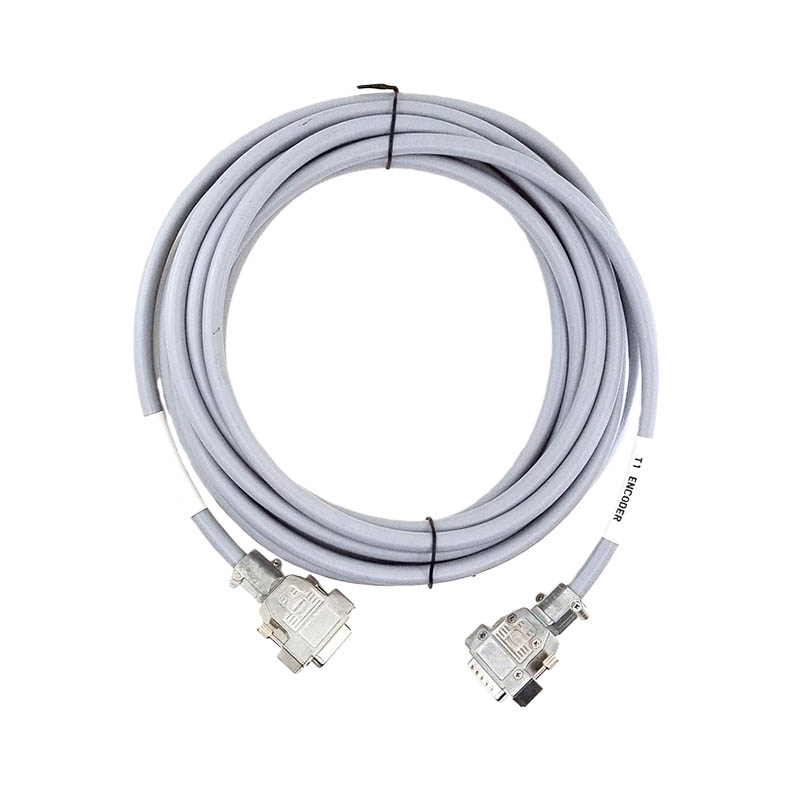
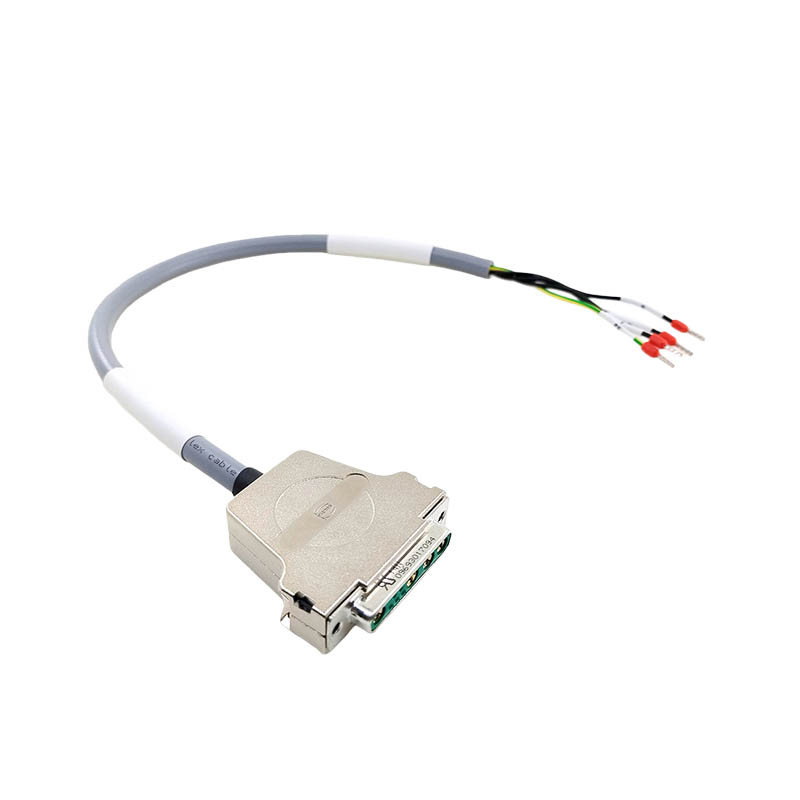
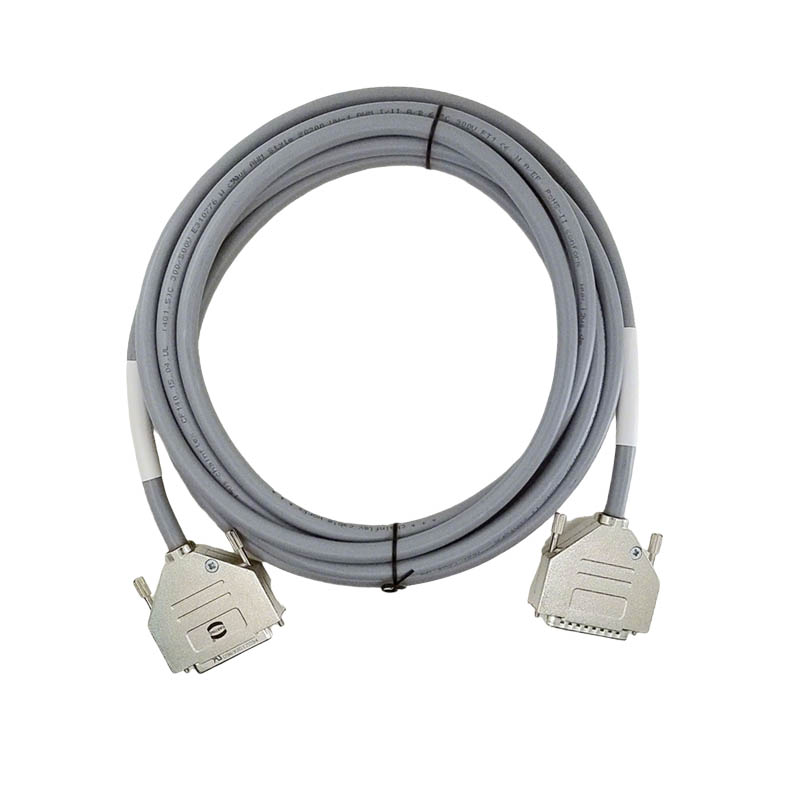
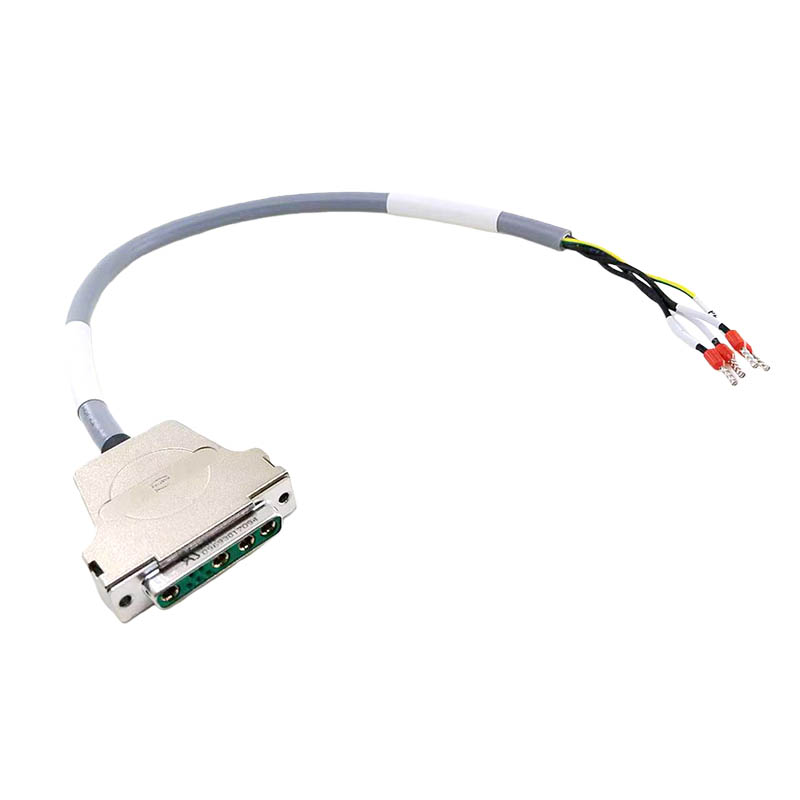
Within the massive structure of industrial equipment, the industrial wire harness, like a sophisticated neural network, silently undertakes the core mission of power transmission, signal transmission, and data interaction. From the precise control of CNC machine tools to the flexible operation of industrial robots, from the coordinated operation of automated production lines to the stable operation of large equipment, the industrial wire harness, with its customized design, highly reliable materials, and precision manufacturing process, tightly connects various electrical components, ensuring the accurate transmission of equipment commands and the efficient supply of power, becoming an indispensable invisible pillar in industrial production.
Customized design is the core advantage of industrial wire harnesses in adapting to diverse industrial scenarios. Different industrial equipment has vastly different internal structures, electrical layouts, and working environments, requiring industrial wire harnesses to be tailored to the specific needs of the equipment. Engineers will design a unique wiring scheme based on the equipment's spatial dimensions, connection points, and functional requirements, determining the specifications of the wires, the type of connector, and the shape of the sheath. Whether it's compact cabling in confined spaces or multi-layered branches in complex structures, customized wire harnesses perfectly fit the equipment structure, avoiding messy wiring and wasted space, while ensuring precise alignment at each connection point, laying the foundation for stable equipment operation.
High-reliability materials enable industrial wire harnesses to withstand harsh industrial environments. Industrial sites often face harsh conditions such as high temperatures, humidity, oil contamination, and vibration, which ordinary cables cannot withstand for extended periods. Industrial wire harnesses use high-temperature resistant PTFE insulated wires, maintaining insulation performance even at high temperatures; they employ oil-resistant and wear-resistant polyurethane sheaths to resist corrosion from workshop oil and mechanical friction; the connectors use metal-plated materials with excellent oxidation and corrosion resistance, ensuring good contact even after repeated plugging and unplugging. This combination of high-quality materials allows the harness to stably transmit power and signals under harsh operating conditions, preventing equipment failure due to aging wires, short circuits, and other problems, significantly extending the equipment's lifespan.
Precision manufacturing processes ensure the connection stability and signal integrity of industrial wire harnesses. The production of industrial wire harnesses involves multiple precision processes, including wire cutting, insulation stripping, terminal crimping, and sheath assembly. Precise wire cutting ensures appropriate tightness during wiring; automated equipment ensures precise and controllable pressure and position for a strong electrical connection between the wire and terminal, preventing signal interruptions caused by loose connections; heat shrinking or injection molding processes during sheath assembly create a sealed protective layer, effectively isolating external interference. Each harness undergoes continuity, insulation, and withstand voltage tests before leaving the factory to ensure all connection points function correctly and signal transmission is lossless, providing reliable assurance for the efficient operation of industrial equipment.
Modular design enhances the maintenance efficiency of industrial wire harnesses. For the complex wiring of large industrial equipment, industrial wire harnesses often employ modular design, grouping and encapsulating lines with different functions to form independent harness modules. When a part of the equipment malfunctions, maintenance personnel can quickly locate the corresponding harness module without disassembling the entire equipment wiring; simply replacing the faulty module completes the repair, significantly reducing downtime. Meanwhile, modular design facilitates equipment upgrades and modifications. Adding new functions only requires connecting the corresponding wiring harness module, eliminating the need for rewiring and reducing equipment maintenance and upgrade costs.
From customized design to material selection, from precision manufacturing to modular layout, industrial wire harnesses always prioritize the actual needs of industrial equipment. Though hidden within the equipment, they connect every link in industrial production with stable performance and reliable quality, acting as a silent, behind-the-scenes hero, providing solid support for the efficient and stable operation of industrial equipment, and becoming an indispensable key component of the modern industrial system.
Customized design is the core advantage of industrial wire harnesses in adapting to diverse industrial scenarios. Different industrial equipment has vastly different internal structures, electrical layouts, and working environments, requiring industrial wire harnesses to be tailored to the specific needs of the equipment. Engineers will design a unique wiring scheme based on the equipment's spatial dimensions, connection points, and functional requirements, determining the specifications of the wires, the type of connector, and the shape of the sheath. Whether it's compact cabling in confined spaces or multi-layered branches in complex structures, customized wire harnesses perfectly fit the equipment structure, avoiding messy wiring and wasted space, while ensuring precise alignment at each connection point, laying the foundation for stable equipment operation.
High-reliability materials enable industrial wire harnesses to withstand harsh industrial environments. Industrial sites often face harsh conditions such as high temperatures, humidity, oil contamination, and vibration, which ordinary cables cannot withstand for extended periods. Industrial wire harnesses use high-temperature resistant PTFE insulated wires, maintaining insulation performance even at high temperatures; they employ oil-resistant and wear-resistant polyurethane sheaths to resist corrosion from workshop oil and mechanical friction; the connectors use metal-plated materials with excellent oxidation and corrosion resistance, ensuring good contact even after repeated plugging and unplugging. This combination of high-quality materials allows the harness to stably transmit power and signals under harsh operating conditions, preventing equipment failure due to aging wires, short circuits, and other problems, significantly extending the equipment's lifespan.
Precision manufacturing processes ensure the connection stability and signal integrity of industrial wire harnesses. The production of industrial wire harnesses involves multiple precision processes, including wire cutting, insulation stripping, terminal crimping, and sheath assembly. Precise wire cutting ensures appropriate tightness during wiring; automated equipment ensures precise and controllable pressure and position for a strong electrical connection between the wire and terminal, preventing signal interruptions caused by loose connections; heat shrinking or injection molding processes during sheath assembly create a sealed protective layer, effectively isolating external interference. Each harness undergoes continuity, insulation, and withstand voltage tests before leaving the factory to ensure all connection points function correctly and signal transmission is lossless, providing reliable assurance for the efficient operation of industrial equipment.
Modular design enhances the maintenance efficiency of industrial wire harnesses. For the complex wiring of large industrial equipment, industrial wire harnesses often employ modular design, grouping and encapsulating lines with different functions to form independent harness modules. When a part of the equipment malfunctions, maintenance personnel can quickly locate the corresponding harness module without disassembling the entire equipment wiring; simply replacing the faulty module completes the repair, significantly reducing downtime. Meanwhile, modular design facilitates equipment upgrades and modifications. Adding new functions only requires connecting the corresponding wiring harness module, eliminating the need for rewiring and reducing equipment maintenance and upgrade costs.
From customized design to material selection, from precision manufacturing to modular layout, industrial wire harnesses always prioritize the actual needs of industrial equipment. Though hidden within the equipment, they connect every link in industrial production with stable performance and reliable quality, acting as a silent, behind-the-scenes hero, providing solid support for the efficient and stable operation of industrial equipment, and becoming an indispensable key component of the modern industrial system.