


How does a female-to-DB15 male connector cable achieve seamless interoperability between diverse devices?
Release Time : 2026-02-02
While the DB15 interface is gradually being replaced by newer interfaces such as HDMI and USB-C in industrial control, medical equipment, legacy computer systems, and professional audio-visual fields, it remains widely used in a large number of existing devices. When users need to connect modern devices to older host machines or specialized instruments, the mismatch between the interface types often becomes a "last mile" obstacle. A female-to-DB15 male connector cable becomes the key bridge—it not only solves the physical connection problem but also ensures signal integrity and structural reliability, truly achieving seamless collaboration between devices across generations and platforms.
1. Precisely Define Interface Roles to Solve the "Male-Female Mismatch" Pain Point
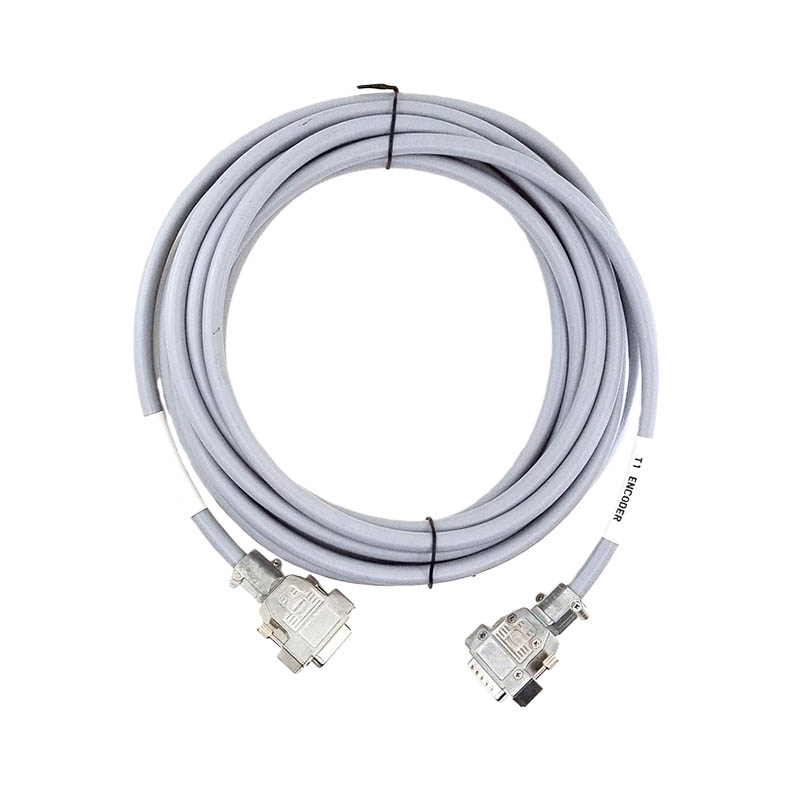
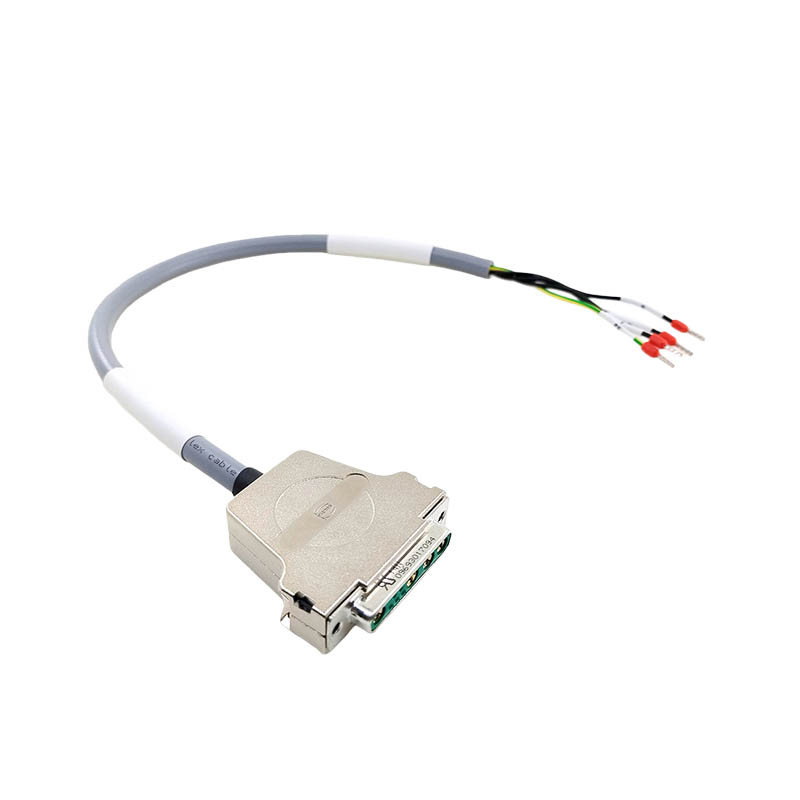
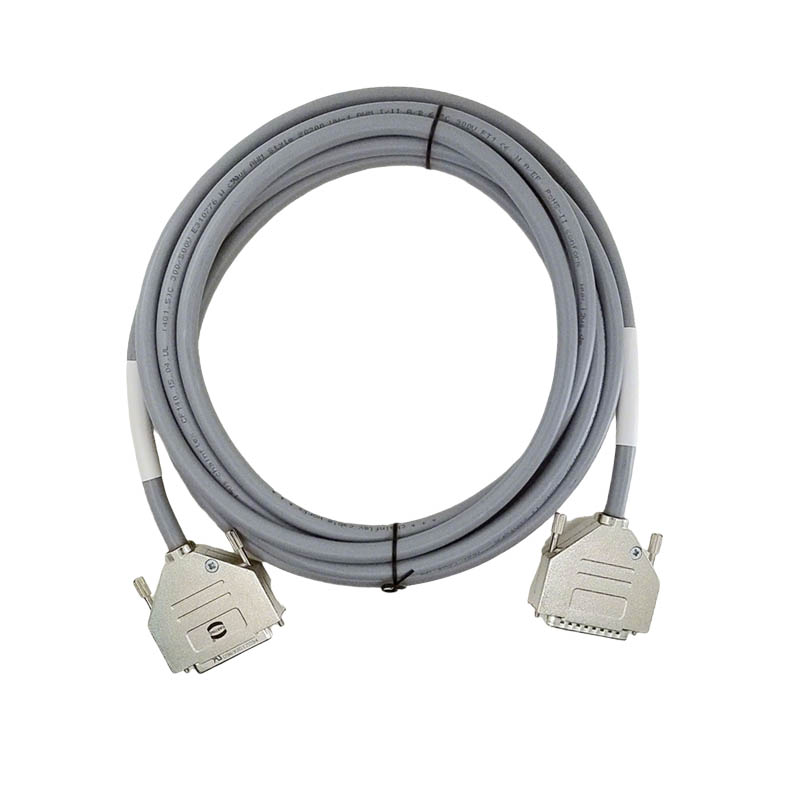
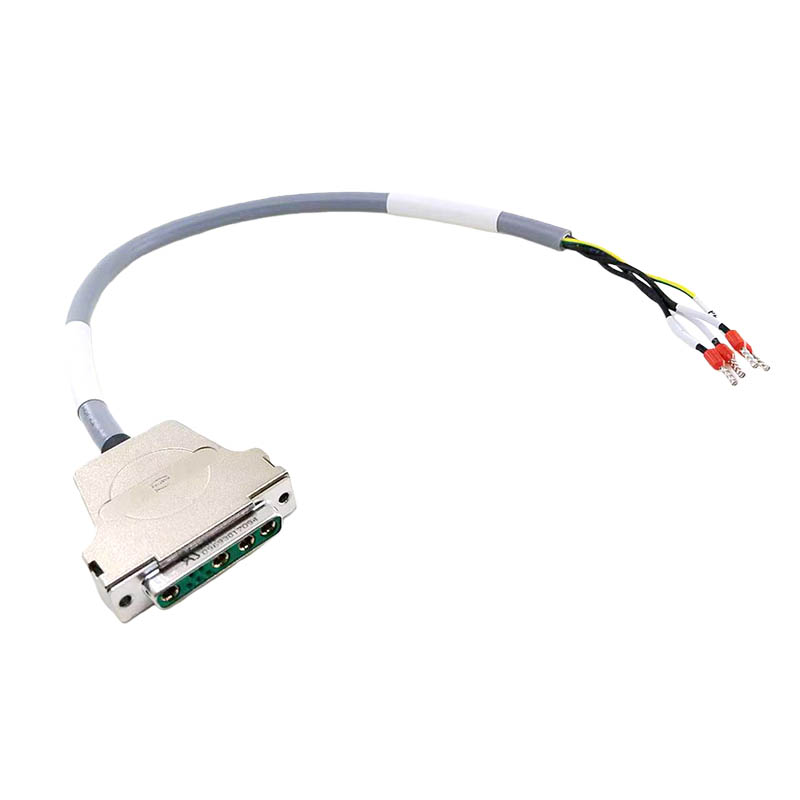
DB15 connectors are divided into male and female connectors. Many industrial sensors, control panels, or older graphics cards use the DB15 male connector as the output, while monitors and capture cards mostly use the female connector for input. Using a standard VGA cable with female connectors at both ends will not allow for proper connection. A female-to-DB15 male adapter cable has a female connector on one end and a male connector on the other, perfectly matching asymmetrical connection requirements. This "gender conversion" may seem simple, but it requires strict adherence to IEEE or VESA electrical specifications to ensure pin definitions match perfectly and avoid equipment damage due to incorrect connections.
2. High-Fidelity Signal Transmission: Shielding and Cable Material are Key
DB15 interfaces are commonly used to transmit analog video or differential control signals, making them extremely sensitive to interference. High-quality adapter cables employ a double-layer shielding design: an inner layer of aluminum foil wraps each pair of signal wires, while an outer layer of braided copper mesh covers the entire cable, effectively resisting electromagnetic and radio frequency interference. High-purity oxygen-free copper is used for the conductors to reduce resistance and signal attenuation; the coaxial structure design maintains impedance matching, preventing image ghosting, flickering, or color distortion. Even in highly interference environments such as factory motors and frequency converters, it can stably transmit high-definition images or precise control commands.
3. Robust Structure for Harsh Working Conditions
In industrial settings, connectors often face frequent plugging and unplugging, bending, oil contamination, or vibration. The female to DB15 male connector cable features a fully die-cast metal shell, providing excellent electromagnetic shielding and resistance to impact and corrosion. Internal solder joints are automated and reinforced with epoxy resin to prevent solder joint defects. The cable sheath is made of highly flexible PVC or TPE material, withstanding over 10,000 bends. The male pins are gold-plated to ensure low contact resistance and long-term insertion/removal reliability, meeting industrial-grade requirements for 5000+ insertion/removal cycles.
4. Compatibility and Plug-and-Play Experience
This adapter cable requires no driver or external power supply, supporting plug-and-play functionality. Whether connecting to an HMI display on a CNC machine tool, the output of a medical monitor, or from a retro gaming console to a modern VGA monitor, it all works with a single click. Some models also include a built-in EDID analog chip to ensure older devices correctly recognize the monitor resolution, preventing black screens or blurry displays and greatly improving the user experience.
The female to DB15 male connect cable is far more than a simple "adapter"; it's a sophisticated interface solution integrating electrical engineering, materials science, and industrial design. Based on reliable physical connections and driven by pure signal transmission, it bridges the gap between digital and analog, new and old, general and specialized technologies. In the smart era that strives for seamless connectivity, these seemingly traditional cables remain indispensable unsung heroes.
1. Precisely Define Interface Roles to Solve the "Male-Female Mismatch" Pain Point
DB15 connectors are divided into male and female connectors. Many industrial sensors, control panels, or older graphics cards use the DB15 male connector as the output, while monitors and capture cards mostly use the female connector for input. Using a standard VGA cable with female connectors at both ends will not allow for proper connection. A female-to-DB15 male adapter cable has a female connector on one end and a male connector on the other, perfectly matching asymmetrical connection requirements. This "gender conversion" may seem simple, but it requires strict adherence to IEEE or VESA electrical specifications to ensure pin definitions match perfectly and avoid equipment damage due to incorrect connections.
2. High-Fidelity Signal Transmission: Shielding and Cable Material are Key
DB15 interfaces are commonly used to transmit analog video or differential control signals, making them extremely sensitive to interference. High-quality adapter cables employ a double-layer shielding design: an inner layer of aluminum foil wraps each pair of signal wires, while an outer layer of braided copper mesh covers the entire cable, effectively resisting electromagnetic and radio frequency interference. High-purity oxygen-free copper is used for the conductors to reduce resistance and signal attenuation; the coaxial structure design maintains impedance matching, preventing image ghosting, flickering, or color distortion. Even in highly interference environments such as factory motors and frequency converters, it can stably transmit high-definition images or precise control commands.
3. Robust Structure for Harsh Working Conditions
In industrial settings, connectors often face frequent plugging and unplugging, bending, oil contamination, or vibration. The female to DB15 male connector cable features a fully die-cast metal shell, providing excellent electromagnetic shielding and resistance to impact and corrosion. Internal solder joints are automated and reinforced with epoxy resin to prevent solder joint defects. The cable sheath is made of highly flexible PVC or TPE material, withstanding over 10,000 bends. The male pins are gold-plated to ensure low contact resistance and long-term insertion/removal reliability, meeting industrial-grade requirements for 5000+ insertion/removal cycles.
4. Compatibility and Plug-and-Play Experience
This adapter cable requires no driver or external power supply, supporting plug-and-play functionality. Whether connecting to an HMI display on a CNC machine tool, the output of a medical monitor, or from a retro gaming console to a modern VGA monitor, it all works with a single click. Some models also include a built-in EDID analog chip to ensure older devices correctly recognize the monitor resolution, preventing black screens or blurry displays and greatly improving the user experience.
The female to DB15 male connect cable is far more than a simple "adapter"; it's a sophisticated interface solution integrating electrical engineering, materials science, and industrial design. Based on reliable physical connections and driven by pure signal transmission, it bridges the gap between digital and analog, new and old, general and specialized technologies. In the smart era that strives for seamless connectivity, these seemingly traditional cables remain indispensable unsung heroes.