


Is the car obdii diagonal cable really just a connection tool?
Release Time : 2025-12-22
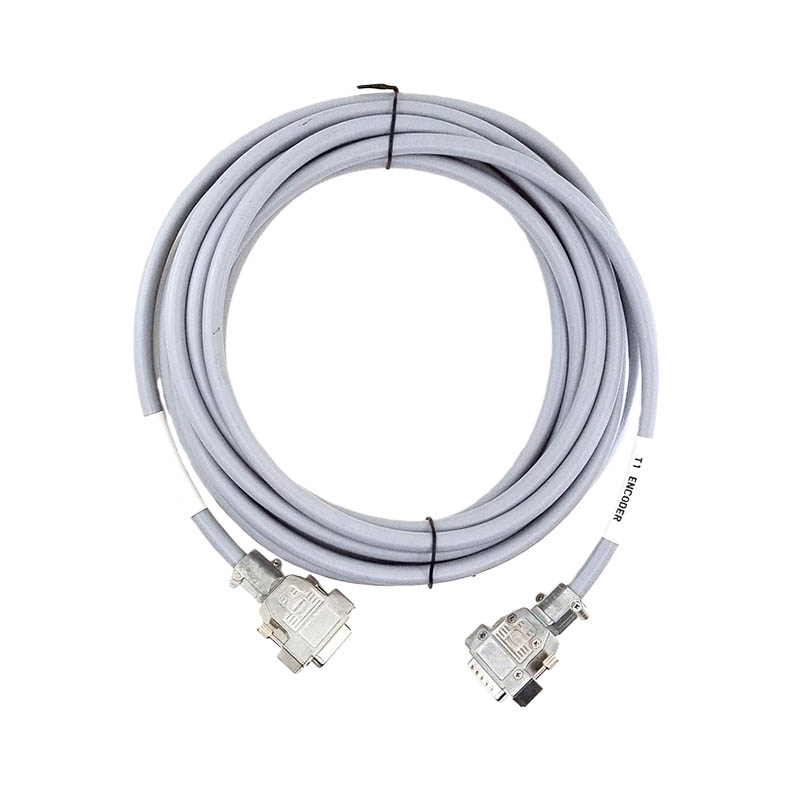
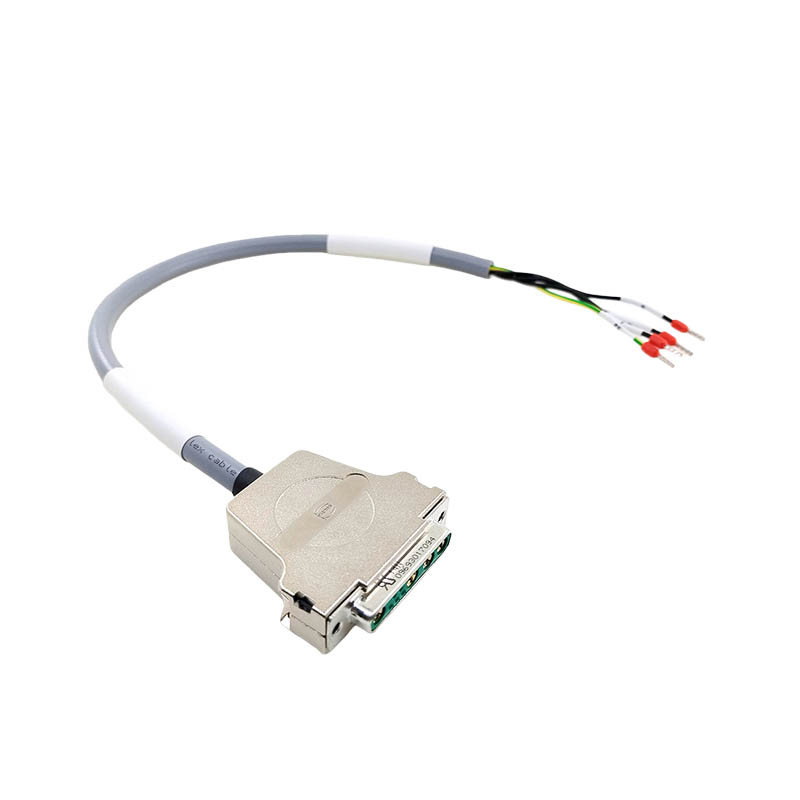
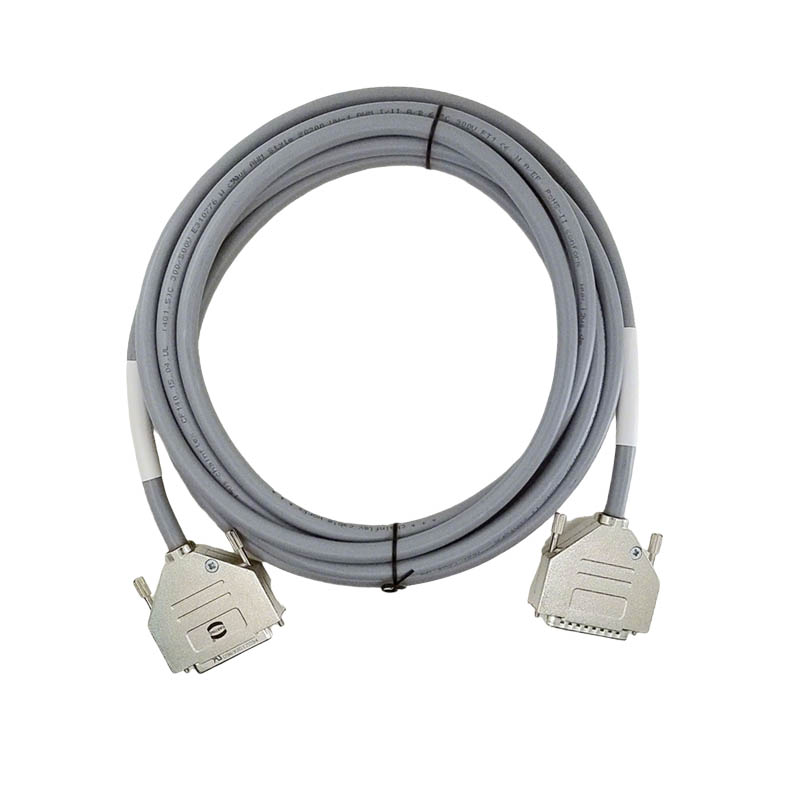
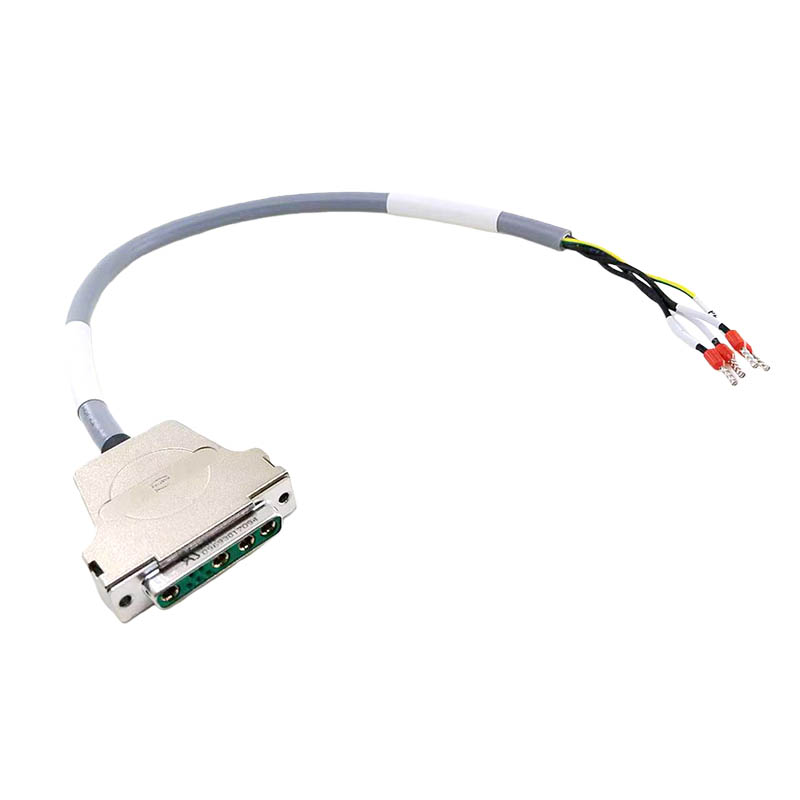
In the context of increasingly complex modern automotive electronic systems, the OBDII (On-Board Diagnostics 2) interface has become the core window for vehicles to communicate with the outside world. The car obdii diagonstic cable that connects this window may seem like just an ordinary cable, but it actually carries multiple missions, including accurate data transmission, electrical safety protection, and cross-vehicle compatibility. It's not only a bridge for technicians to read fault codes, perform programming, or conduct emissions tests, but also the first line of defense to protect the vehicle's electronic systems from interference and even damage. Its value far exceeds "connection" itself, penetrating deep into the reliability and professionalism of the automotive electronics ecosystem.
The core of the car obdii diagonstic cable lies in its rigorous protection of signal integrity. Modern vehicles transmit large amounts of real-time data via high-speed communication protocols such as the CAN bus. Any signal attenuation, crosstalk, or delay can lead to diagnostic failures or misdiagnoses. High-quality diagnostic cables employ a twisted-pair shielded structure to effectively suppress electromagnetic interference from the engine ignition system, car audio systems, or other high-voltage equipment. The internal conductors are made of high-purity oxygen-free copper, ensuring low resistance and high conductivity. The connectors are gold-plated to prevent oxidation and poor contact. These details collectively ensure stable and accurate data transmission between the vehicle ECU and diagnostic equipment within milliseconds.
Safety is another non-negotiable dimension. Inferior cables, lacking overvoltage protection, electrostatic discharge, or short-circuit isolation circuits, may experience voltage surges or pin misconnections during connection, potentially back-current to the vehicle's computer and damaging expensive control modules. The professional-grade car obdii diagonstic cable has multiple built-in protection chips that can quickly cut off the circuit when abnormal current or voltage occurs, protecting both the vehicle and the diagnostic equipment. This "invisible protection," though not directly perceived by the user, is the fundamental difference between professional tools and cheap imitations.
Compatibility also reflects technological depth. Although the OBDII standard unifies the 16-pin physical interface, differences exist in pin definitions, communication protocols (such as ISO 9141-2, KWP2000, CAN, etc.), and power supply logic across different brands and vehicle models. A truly reliable diagnostic cable must undergo rigorous testing to ensure stable connection with German, American, Japanese, and even domestically produced new energy vehicles. Some high-end cables even integrate protocol identification chips to automatically match optimal communication parameters, improving the initial connection success rate.
Furthermore, mechanical durability is crucial for long-term user experience. Frequent plugging and unplugging, high temperatures inside the vehicle, oil contamination, and bending stress place stringent demands on the cable sheath, connector strength, and internal solder joints. High-quality products use a high-elasticity TPE outer sheath, which is resistant to bending and aging; the connector shell is injection molded from high-strength engineering plastic, and the snap-fit structure remains firm even after tens of thousands of plugging and unplugging tests; the internal wire cores and terminals are laser-welded or ultrasonically crimped to prevent loosening due to poor soldering. These process details ensure that the diagnostic cable remains reliable even under intensive use in the workshop.
On a deeper level, the car obdii diagonstic cable is also a microcosm of the level of specialization in the automotive aftermarket. It connects not just hardware, but also trust—technicians trust it won't damage the customer's vehicle, and car owners trust the diagnostic results to be accurate and effective. With the increasing prevalence of high-voltage systems and intelligent connectivity features in new energy vehicles, the safety and accuracy of diagnostic cables are even more critical, even affecting functional safety ratings.
Therefore, the car obdii diagonstic cable is not a simple connection tool, but a precision electronic component that integrates signal integrity design, electrical protection mechanisms, cross-platform compatibility logic, and industrial-grade manufacturing processes. Within its small footprint, it silently maintains a reliable dialogue between people, vehicles, and data. It is this unseen reliability that allows every fault diagnosis to be built on a solid foundation, enabling the safe and efficient understanding and maintenance of the complex electronic systems of modern automobiles.